
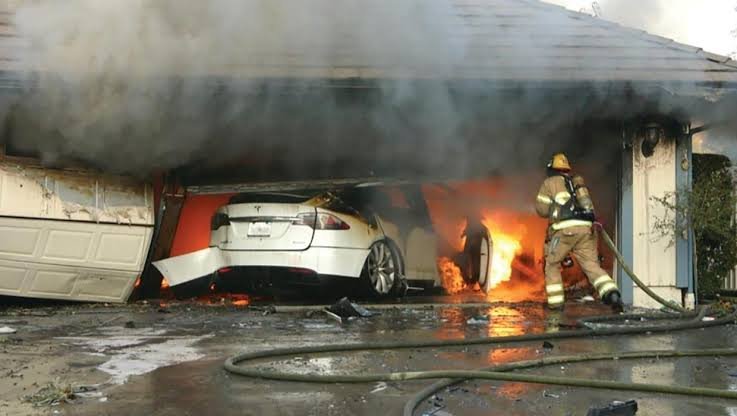
A garage is often used for parking vehicles, storing tools, keeping household supplies, and carrying out small repair projects. Because it is usually separate from the main living area, many people assume that a fire in the garage would be easy to control or would not affect the rest of the property. Unfortunately, this assumption can create serious safety risks.
Garages may contain electrical equipment, cardboard boxes, paint products, vehicle-related materials, rechargeable batteries, and other items that can contribute to a fire. If a garage is attached to a home or located beneath an occupied building, a fire may also threaten people in nearby rooms.
Garage fire safety begins with understanding the risks and separating facts from common misconceptions. Simple habits, such as keeping the space organised, maintaining electrical equipment, storing materials properly, and planning for emergencies, can make a meaningful difference.
In Pakistan, homeowners, property managers, and businesses should include garage safety in their wider fire prevention arrangements. This may involve suitable alarms, appropriate firefighting equipment, safe electrical installations, and clear emergency procedures.
This article explores the biggest myths about garage fire safety, explains why they are misleading, and provides practical information for creating a safer environment.
Why Garage Fire Safety Matters
Garages often serve several purposes at once. A family may park a vehicle there while also using the space to store seasonal items, household tools, cleaning products, and electrical appliances. In commercial properties, garages may accommodate maintenance activities, equipment storage, or vehicle servicing.
These different uses can introduce several hazards. Combustible materials may accumulate, electrical equipment may be used frequently, and escape routes may become obstructed by stored items.
A fire can also spread beyond the garage if suitable separation and other protective measures are missing or poorly maintained. This makes garage safety an important part of protecting the entire property.
Understanding common myths is a useful first step towards preventing avoidable incidents.
Myth 1: A Garage Is Only a Storage Space, So It Is Not Dangerous
Fact: A garage can contain several potential fire hazards, even when it is used mainly for storage.
Many garages hold cardboard packaging, paper, fabric, wooden items, paint products, cleaning supplies, and electrical equipment. Some of these materials can burn, while others may create additional hazards if stored incorrectly.
The problem becomes greater when the garage is crowded. People may place boxes near electrical equipment, block access to exits, or forget about products stored at the back of shelves.
A safer approach is to organise the garage and remove unnecessary clutter. Store materials according to their labels and manufacturer instructions, and keep combustible items away from heat-producing equipment.
Avoid treating a garage as a place to keep every item that no longer fits inside the home. Review stored belongings regularly and dispose of unwanted materials through appropriate methods.
An organised garage is easier to inspect, easier to maintain, and less likely to have hidden hazards.
Myth 2: Small Electrical Problems Are Nothing to Worry About
Fact: Damaged wiring and faulty electrical equipment should be taken seriously.
Garages often contain lights, power tools, battery chargers, freezers, pumps, and other electrical devices. Damaged cables, loose connections, unsuitable equipment, or overloaded sockets may create fire and electric shock risks.
Warning signs can include unusual heat, burning smells, visible damage, repeated electrical interruptions, or discoloured sockets.
Never ignore these signs or continue using equipment that appears damaged. Stop using the affected equipment and arrange for a qualified electrician to assess it.
Good electrical safety practices include:
- Using equipment appropriate for the environment.
- Avoiding overloaded sockets and unsafe temporary connections.
- Keeping cables protected from damage.
- Replacing damaged plugs, cables, and equipment.
- Ensuring electrical installations are inspected when necessary.
- Following the manufacturer’s instructions for tools and chargers.
In Pakistan, where garages may also rely on temporary connections or backup power arrangements, professional installation and maintenance are especially important.
Myth 3: A Fire Cannot Spread From the Garage Into the House
Fact: A garage fire can threaten nearby occupied areas, especially when protective separation is inadequate.
Some garages share a wall with the home, sit beneath living spaces, or connect directly to an internal hallway. These arrangements mean a garage fire may affect more than the vehicle or stored belongings.
Fire-resisting walls, ceilings, doors, and other building features can help limit the spread of fire when designed, installed, and maintained correctly. Their suitability depends on the building’s design and applicable requirements.
Homeowners should not assume that an ordinary internal door or an unprotected opening provides adequate separation.
Ask a competent building or fire safety professional to assess the separation between the garage and occupied rooms, particularly if the property is older or has been renovated.
Keep doors between garages and homes closed as intended, and never leave them propped open. Where fire-resisting doors or other protective features are required, maintain them according to the relevant specifications.
Myth 4: Any Smoke Alarm Will Work Properly Inside a Garage
Fact: The right type and location of alarm depend on the environment and the manufacturer’s instructions.
Garages can experience temperature changes, dust, vehicle exhaust, humidity, and other conditions that may affect some smoke alarms. A device intended for a normal indoor room may not be suitable for an unconditioned garage.
In some circumstances, a suitably rated heat alarm may be more appropriate for the garage itself. A heat alarm responds to temperature conditions rather than smoke and may reduce nuisance activations in environments where smoke alarms are unsuitable.
However, the correct choice depends on the garage layout, the building’s fire protection design, and the applicable requirements.
Before installing an alarm, check:
- Whether the device is approved for the intended environment.
- The temperature and humidity limits specified by the manufacturer.
- Whether the alarm can connect to other warning devices.
- How it should be installed and maintained.
- Whether its location provides suitable warning to occupants.
Do not remove or disable existing alarms because of repeated nuisance activations. Have the cause assessed and select a suitable solution with a competent professional.
For properties that need a fire alarm system in Pakistan, garage detection should be considered as part of the overall design rather than as an isolated purchase.
Myth 5: Leaving a Vehicle in the Garage Is the Only Fire Risk
Fact: Other stored materials and everyday activities can also create fire hazards.
Vehicles are not the only potential source of a garage fire. Electrical tools, chargers, heating equipment, flammable products, and combustible waste can all contribute to fire risk.
For example, an appliance may overheat, a damaged charger may malfunction, or sparks from an unsuitable activity may ignite nearby materials.
To reduce these risks, keep the garage organised and ensure that equipment is used for its intended purpose. Avoid open flames and activities that produce sparks near combustible materials.
Do not use barbecues, charcoal burners, or outdoor cooking equipment inside a garage. These devices can create both fire hazards and dangerous carbon monoxide exposure.
If maintenance work is required, use an appropriate workspace and follow the relevant safety procedures.
Myth 6: It Is Safe to Store Paint, Fuel, and Chemicals Anywhere in the Garage
Fact: Hazardous products need suitable storage and careful handling.
Paints, solvents, fuels, aerosols, and other household or vehicle-related products may be flammable or otherwise hazardous. Their risks depend on the product, its formulation, the container, and the storage conditions.
Keeping these products beside electrical equipment, heat sources, or areas where sparks may occur can increase the danger.
Always read the product label and follow the manufacturer’s storage instructions. Keep products in their original, properly closed containers where appropriate, and store them in a designated location suitable for the material.
Additional precautions include:
- Keeping hazardous products away from children.
- Avoiding unnecessary storage of flammable liquids.
- Preventing leaks and spills.
- Maintaining suitable ventilation where required.
- Keeping materials away from ignition sources.
- Disposing of unwanted products through appropriate local channels.
Never transfer a chemical into an unlabelled food or drink container. Clear labelling helps prevent accidental misuse and makes it easier to identify the contents during an emergency.
Myth 7: A Cluttered Garage Is Just an Organisational Problem
Fact: Clutter can increase fire risk and make an emergency more difficult to manage.
Boxes, furniture, packaging, tools, and other stored items can provide fuel for a fire. Clutter can also hide damaged wiring, block access to electrical panels, and obstruct doors or walkways.
During an emergency, an obstructed route can slow evacuation and make it harder for responders to reach the affected area.
Keep floors, doors, and walkways clear. Store frequently used items in accessible locations and avoid stacking materials close to heat-producing appliances.
Make sure essential electrical controls and safety equipment remain accessible. Do not store items in a way that blocks exits or prevents doors from opening properly.
Regularly inspect the garage rather than waiting until it becomes too crowded to organise easily.
Myth 8: Battery Charging Is Always Safe if the Device Is Switched Off
Fact: Charging equipment requires suitable power supplies, compatible chargers, and good condition.
Rechargeable batteries are used in power tools, cordless appliances, bicycles, and many other devices. Although they are useful, damaged batteries, unsuitable chargers, or improper charging conditions can create fire hazards.
A device being switched off does not automatically mean that charging it is risk-free.
Use the charger specified or approved by the device manufacturer. Inspect the charger, cable, and battery for damage, and avoid charging equipment that is unusually hot or appears swollen or otherwise damaged.
It is also important to:
- Follow the manufacturer’s charging instructions.
- Use an appropriate power outlet.
- Avoid unsuitable extension leads or improvised connections.
- Keep charging equipment away from combustible clutter.
- Avoid placing charging devices where they could block an exit.
- Stop using equipment that shows signs of damage or malfunction.
Do not leave charging equipment unattended when the manufacturer advises against it. If you notice smoke, unusual heat, or another sign of a serious battery problem, keep away, warn others, and seek appropriate emergency assistance.
Myth 9: A Fire Extinguisher Means the Garage Is Fully Protected
Fact: A fire extinguisher is only one part of a complete fire safety arrangement.
Extinguishers can be useful for certain small, early-stage fires, but they cannot prevent every fire or guarantee that a fire can be controlled safely.
The correct extinguisher depends on the type of fire hazard. Electrical equipment, flammable liquids, and ordinary combustible materials may require different equipment. Using an unsuitable extinguisher can make a situation more dangerous.
A garage fire safety plan should also include hazard prevention, appropriate alarms, safe exits, clear emergency procedures, and regular inspections.
If a fire occurs, alert others and contact the relevant emergency services. Evacuate immediately if the fire is growing, smoke is spreading, the correct equipment is unavailable, or there is any doubt about safety.
Only a trained person should consider using an extinguisher when the fire is small, the equipment is suitable, and a clear escape route remains available. Never delay evacuation to attempt firefighting.
Myth 10: Garage Fire Safety Does Not Require Regular Inspections
Fact: Regular checks help identify problems before they become emergencies.
A garage’s condition can change quickly. New appliances may be added, stored materials may accumulate, and electrical equipment may deteriorate through use.
A regular inspection helps identify issues while there is still time to correct them.
A simple garage safety review should include:
- Checking for damaged electrical cables and plugs.
- Looking for unusual heat or signs of electrical damage.
- Confirming that doors and walkways remain clear.
- Reviewing how paints and other hazardous products are stored.
- Checking alarms and other installed safety devices according to their instructions.
- Ensuring that suitable firefighting equipment remains accessible.
- Removing unnecessary combustible waste.
The frequency of inspections should reflect how the garage is used and the hazards present. A commercial workshop may need a more formal inspection schedule than a garage used only for household storage.
Record significant issues and arrange for qualified professionals to address problems that require specialist knowledge.
Myth 11: A Garage Fire Safety Plan Is Only Necessary for Large Buildings
Fact: Small garages also benefit from clear prevention and emergency arrangements.
A residential garage may be smaller than a commercial parking facility, but it can still contain vehicles, electrical appliances, combustible materials, and hazardous products.
Every household should understand how to report a fire, alert other occupants, and leave the property safely. Family members should know the available exits and a suitable meeting point outside.
For apartment buildings, commercial garages, workshops, and larger parking facilities, the plan may need additional features. These can include formal evacuation procedures, emergency lighting, fire detection and alarm arrangements, suitable firefighting equipment, and coordination with building management.
The level of protection should reflect the property’s design, use, occupancy, and applicable requirements.
In Pakistan, owners and managers should consult the relevant authorities and competent professionals to determine which measures are required for their premises.
Myth 12: Installing a Fire Alarm System Is the Final Step
Fact: Alarm systems must be suitable, maintained, and supported by practical safety procedures.
A fire alarm system can help warn people about a potential emergency, but it cannot replace safe storage, electrical maintenance, clear exits, or worker and family awareness.
For a fire alarm system in Pakistan, the choice of equipment should consider the building’s layout, environmental conditions, expected occupancy, and applicable fire safety requirements.
The system may include detectors, manual call points, audible or visual notification devices, and a control panel, depending on the design.
After installation, follow the manufacturer’s instructions for testing and maintenance. Ensure that occupants understand what the alarm sounds like and what they should do when it activates.
For larger buildings and commercial garages, alarm arrangements should be coordinated with the wider fire safety plan. Any required professional inspections, approvals, or maintenance should be completed as applicable.
Practical Garage Fire Safety Checklist
Use this checklist as a starting point for improving safety:
- Keep the garage clean and remove unnecessary combustible materials.
- Store hazardous products according to their labels and instructions.
- Keep heat-producing equipment away from combustible items.
- Maintain electrical installations and avoid overloaded outlets.
- Use suitable chargers and inspect rechargeable equipment.
- Keep exits and walkways clear.
- Ensure alarms and other safety equipment are suitable for the environment.
- Maintain appropriate separation between the garage and occupied areas.
- Make sure everyone knows how to raise the alarm and leave safely.
- Arrange professional inspections when necessary.
A checklist cannot replace a formal risk assessment where one is required, but it can help households and property managers notice common problems.
Conclusion
Garage fire safety is often overlooked because garages are viewed as storage spaces rather than areas where serious hazards may develop. In reality, electrical equipment, combustible materials, rechargeable batteries, and poorly stored products can all contribute to fire risk.
Busting common myths helps people make better decisions. A garage should be organised, electrical equipment should be maintained, hazardous products should be stored correctly, and escape routes should remain clear. Alarms and firefighting equipment should be suitable for the environment and maintained according to professional guidance.
For homeowners and property managers in Pakistan, fire safety should form part of the wider plan for protecting people and property. A suitable fire alarm system in Pakistan can support early warning, but effective protection also depends on prevention, maintenance, and clear emergency procedures.
By replacing assumptions with practical precautions, households and businesses can make their garages safer and improve their overall fire preparedness.
Frequently Asked Questions (FAQs)
1. What are the most common garage fire safety myths?
Common myths include believing that garages are safe storage areas, that electrical faults are harmless, that fires cannot spread into the home, and that an extinguisher alone provides complete protection. In reality, garages need appropriate prevention, detection, and emergency arrangements.
2. How can I reduce the risk of a fire in my garage?
Keep the space organised, maintain electrical equipment, store hazardous products according to their instructions, use compatible chargers, keep combustible materials away from heat sources, and ensure that exits remain clear.
3. Should I install a smoke alarm or heat alarm in my garage?
The appropriate device depends on the garage environment, manufacturer guidance, and applicable requirements. Some garages may be better suited to a properly rated heat alarm because dust, exhaust, and temperature changes can affect certain smoke alarms. Ask a competent fire safety professional for advice.
4. Can a garage fire spread into the main house?
Yes. A garage fire can threaten nearby occupied areas, particularly when the garage is attached to the house or located beneath living spaces. Suitable building separation, maintained doors, alarms, and clear evacuation procedures can help reduce risk.
5. Why is a fire alarm system important for garage safety?
A suitable fire alarm system can alert occupants to a potential fire so they can respond promptly. It should be selected for the building and environment, tested and maintained according to instructions, and supported by safe storage, electrical maintenance, and an emergency plan.